The Mystery of Casino Ritual Design
The Mystery of Casino Ritual Design
Enter any grand casino, and you’re immediately enveloped in an atmosphere unlike any other. It’s a meticulously crafted world, a sensory symphony designed not just for entertainment, but to subtly influence human behavior. This isn't accidental decor; it's a sophisticated application of psychology, architecture, and marketing, collectively known as casino ritual design. The 'mystery' lies not in hidden secrets, but in the ingenious ways these elements combine to create an immersive, timeless experience that encourages continuous engagement and sustained play.
One of the foundational principles of casino design is the concept of a "playground without clocks." Notice the absence of windows or natural light in most casino interiors. This deliberate choice distorts the perception of time, making it difficult for patrons to gauge the passing hours. Coupled with the lack of wall clocks, players can lose themselves entirely in the moment, unburdened by external cues that might signal it's time to leave. This timeless cocoon is amplified by consistent, low-level ambient lighting, often without harsh glares, contributing to a state of perpetual evening, fostering relaxation and extended play.
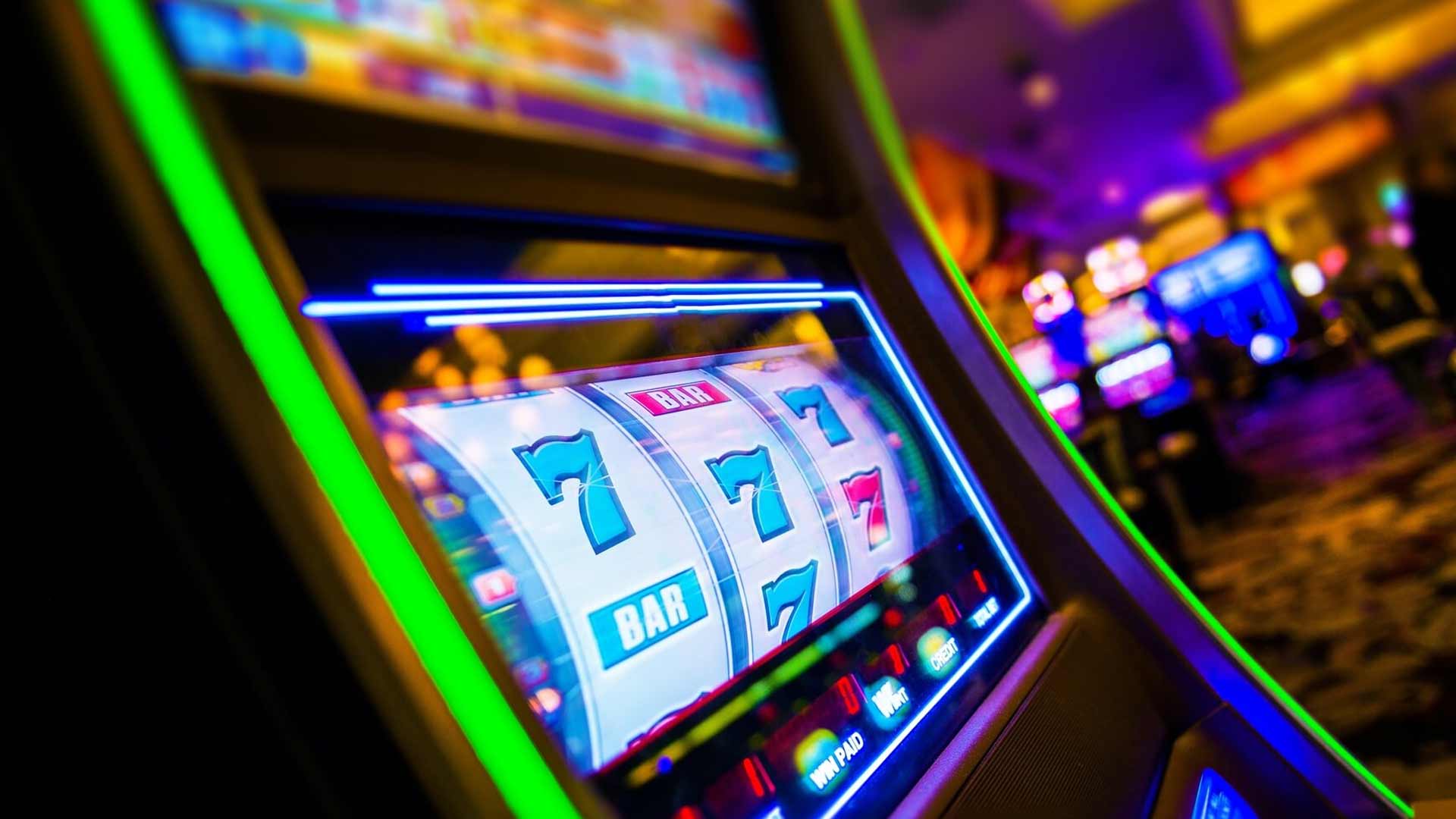
The layout itself is a masterpiece of psychological engineering. Forget straight lines or easily navigable paths; casinos often employ a labyrinthine design. Aisles might curve, pathways might lead into exciting new gaming areas, and the exit might feel elusive. This non-linear casino design prevents quick departures and encourages exploration. Every turn presents new temptations – the alluring glow of slot machines, the camaraderie around a poker table, or the thrill of a roulette wheel. The strategic placement of slot machines, in particular, often serves as a magnet, drawing players deeper into the casino floor and acting as the primary revenue generator. These machines are not just placed randomly; they are arranged to create inviting clusters and visually stimulating pathways that maximize exposure and temptation.
Beyond the visual, the auditory landscape is equally intentional. The constant cacophony of ringing bells, flashing lights, and triumphant jingles from slot machines creates a thrilling and stimulating environment. Even the clinking of chips and the murmur of excited voices contribute to a sense of activity and potential fortune. These sounds are specifically engineered to create an atmosphere of excitement and near-constant winning, even if the reality for individual players is different. Similarly, while the myth of piped-in oxygen is largely debunked, casinos often maintain comfortable temperatures and utilize subtle, pleasant scents (like floral or sweet notes) to enhance the overall luxurious experience and encourage a sense of well-being, influencing players to stay longer and feel more at ease.
Comfort is paramount in encouraging prolonged play, directly impacting the overall player experience casino. Plush carpeting, often with intricate, mesmerizing patterns, not only dampens sound but also adds to the feeling of luxury. Ergonomically designed chairs for table games and slots invite players to settle in for hours without discomfort. Complimentary drinks, brought directly to players, further remove the need to leave the gaming area, adding another layer of convenience and hospitality. This attentive service, combined with the opulent surroundings, contributes to the "VIP casino experience" for every patron, making them feel valued and pampered, extending their stay and engagement.
The strategic placement of amenities also plays a crucial role in casino design principles. Restrooms, restaurants, and cashier cages are rarely placed near the main entrances or in easily accessible locations. Instead, players must often traverse significant portions of the gaming floor to reach them, exposing them to more gaming opportunities along the way. Even the design of the chips themselves, often heavy and satisfying to handle, contributes to the tactile pleasure of gambling, making transactions feel less like spending real money and more like engaging with a distinct, intriguing casino currency. This careful orchestration guides human behavior casino patrons through a journey of continuous temptation.
It's fascinating to consider how these design elements subtly tap into gambling psychology. Principles like "loss aversion," where the pain of losing is felt more strongly than the pleasure of an equivalent gain, are exploited through near-miss outcomes and bonus features designed to keep players engaged. The overall casino experience is designed to reduce external distractions and create a self-contained world where the primary focus is the game. For those looking for a thrilling online experience that mirrors the excitement of a physical casino, you might explore the options at link m88 slot, where the digital design aims to capture a similar immersive feel through intuitive interfaces and captivating game mechanics.
While the primary goal of casino ritual design is undoubtedly commercial, it also offers a unique lens through which to view human behavior and decision-making under specific environmental stimuli. It's a carefully orchestrated ballet of light, sound, space, and service, all converging to create a powerful, persuasive, and often irresistible experience. Understanding these sophisticated design choices doesn't diminish the allure; rather, it highlights the remarkable ingenuity behind an industry built on the captivating mystery of human engagement and the eternal dance with chance.